Lebanon: A Box of Amoxicillin Can Buy Life
What Lebanon's collapse looks like from the ground — a Chinese writer's field notes

Before leaving Lebanon, I gave my landlord a leaf from the Bodhi tree in Lumbini, Nepal, the birthplace of the Buddha. He was surprised that I would leave such a valuable item with him - perhaps our faiths were different, but a sacred object is still sacred.
He asked me why I was leaving and whether if something wrong with Lebanon.
Life in Lebanon is not easy. Every day is a negotiation with electricity cuts. I was already living in what would be considered a luxury apartment even by New York standard, so I should not whine. Still, daily life was filled with small frictions. Hot water, something taken for granted in the First World, depended on private generators being turned on in advance. Garbage lined the roads even in wealthy neighbourhoods. My dog and I were constantly getting sick from the air, the water, the food. Between work and lines, an exhausting amount of time disappeared into solving tiny inconveniences that were non-existent at the heart of empires.
Nevertheless, I have lived in middle-income countries and these were not novel.
What I could not bring myself to tell him was something else. How could I explain to this gentle landlord, a renowned chef who had returned to Lebanon from the First World, that I felt his country might cease to exist?
Shortly after arriving in Lebanon, I began travelling across the country from the South to North, trying to understand both Lebanon and the wider history of the Levant. I had already accumulated years of study and field experiences in the Middle East. From here, I see a poison pill planted more than a century ago still corroding this beautiful land from within.
Lebanon is a beautiful country. The weather is nice, the soil fertile. This is the “land of milk and honey.” Villagers in the mountains live quiet lives among carefully tended gardens and stone houses. Sacred traces are scattered across the hills. Miracles and myths from the Biblical times, from Christ and even before Christ still linger among the villages.
During the weekend hideaways in the Lebanon mountains, I called an American friend and jokingly declared: if you were planning to visit, come while I am still here. Wait too long, and Lebanon will rebrand into Israel.
I do not mean that the entire territory of Lebanon, historically part of the so-called Promised Land, will pop up with an Israeli badge overnight. But beneath the comfort of ordinary life under the Mediterranean sun lurks the gunpowder covered by milk and honey.
I sat with my dog in a small courtyard high in the Lebanese mountains enjoying our sunset view. A 28-degree breeze drifted through the hills. Birds and insects hummed softly in the distance. Elderly people and children walked slowly along the mountain roads carrying fresh vegetables in plastic bags, dogs trotting beside them.
While at my heart I knew human greed is miles away to conquer lands and ruin peace. As I watched the sunset over the mountains, I thought to myself: toast yourself to the last bit of it, as any days may come, and the figs and apples in the mountains would turn into shattered limbs.
Sykes-Picot: An Artificial State and a Structural Bomb
Lebanon was never a naturally formed nation-state. It was a stitched-together political construction designed by the French to protect specific religious communities.
For the modern Middle East, the Ottoman Empire remains the last memory of political unity. During the four hundred years of Ottoman rule, “Lebanon” did not exist as an independent political identity. The region was part of greater Syria. The mountainous area known as Mount Lebanon was inhabited mainly by Maronite Christians and Druze - heterodox branches shaped through centuries of regional religious evolution. These groups coexisted for long periods, though often uneasily.
Between 1860 and 1861, violent sectarian conflict erupted between Maronite Christians and Druze populations across Mount Lebanon and Damascus, resulting in massacres. By then, European powers had already begun encircling the Middle East. Napoleon III of France declared himself protector of Levantine Christians and dispatched six thousand troops into the region. Under pressures from European powers after the massacres, the Ottomans established the Mount Lebanon Mutasarrifate - an autonomous province that remained nominally Ottoman but was effectively supervised by Europe.
This was the first time Mount Lebanon became a semi-colonial political experiment.
After the First World War, global power ranking reshuffled. The Ottoman Empire collapsed. Mustafa Kemal’s new Turkish state focused on preserving Anatolia itself, leaving the empire’s vast Arab provinces leaderless. European powers moved quickly to divide the region among themselves. Lebanon, originally little more than a French-backed provincial concept, was transformed by decree into a “nation.”
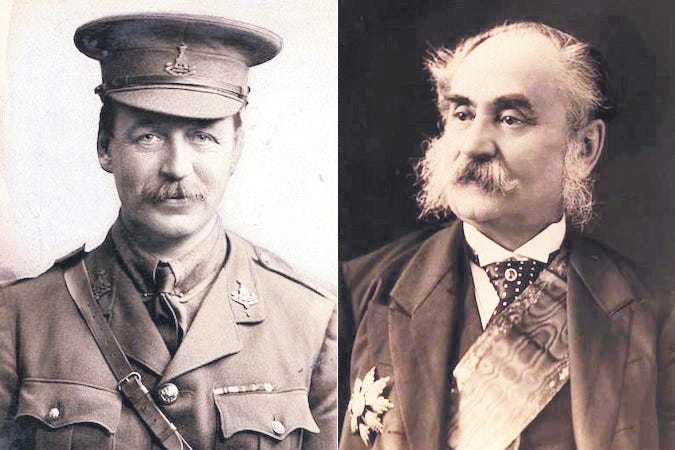
History embraced the infamous Sykes–Picot Agreement of 1916. Sykes-Picot Agreement is a secret British-French-Russian arrangement meant to partition Ottoman territories in the Middle East. Under the agreement, France obtained today’s Syria and Lebanon.
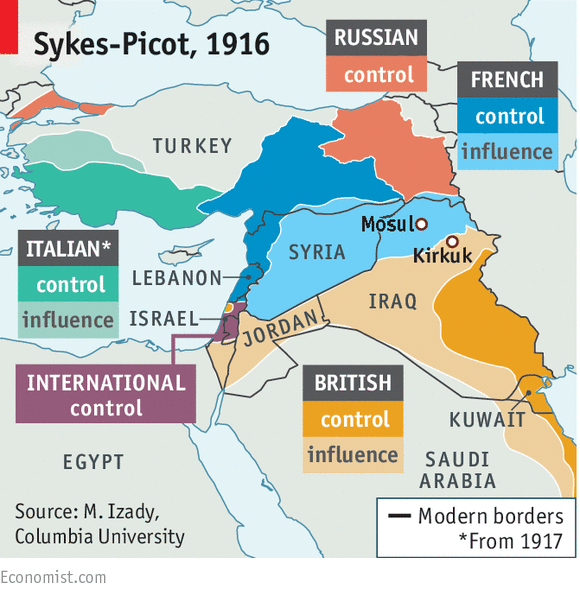
In 1920, France officially stamped on the creation of Greater Lebanon.
Now the curious reader might ask: why did France insist on creating Lebanon as a separate country instead of leaving it to Syria?
The answer returns us to the Maronites.
Across centuries shaped partly by the Crusades, a distinct Maronite Christian identity gradually formed in Mount Lebanon. They used Aramaic liturgy and recognised the authority of the Pope. Beginning in the sixteenth century, France increasingly styled itself as the “protector of Catholics in the East.” Even while the Ottoman Empire still existed, French influence infiltrated through missionary schools, churches, hospitals, and privileges granted to Catholic institutions inside Ottoman territory. Many of these institutions still survive in Lebanon today.
Geographically, Lebanon occupied a strategic Eastern Mediterranean coastline linking Europe to the Arab interior. Chinese readers from Guangdong province would click instantly: so… France wanted to build a Middle Eastern Hong Kong?
Yes, that was exactly the vision - an “Eastern Paris,” a Levantine port combining banking, trade, publishing, and cosmopolitan culture. It should be connected to the Arab world, but never fully part of it.
However, the nineteenth and early twentieth centuries were not simply an era of passive Eastern collapse before the Western “superiority”. Across the Middle East, intellectuals, reformers, and revolutionaries were actively searching for ways to resist decline and rebuild political order through Pan-Islamism or Arab nationalism. After World War I, Arab nationalism surged. I have written about Faisal I of Iraq and the wider Arab nationalist project backed partly by Britain and Lawrence of Arabia in Iraq After Invasion. France viewed the Pan-Arab movement with deep suspicion. In 1920, French forces defeated Faisal at the Battle of Maysalun.
To weaken a potentially unified Syria, the French divided the region into several political entities: Damascus, Aleppo, the Alawite State, the Druze State, and Lebanon.
Like sealing away a mythical weapon in fragments across different corners of an empire, Syria was deliberately broken apart so it could never reunify into a coherent sword. Among these fragments, one piece was especially distinct: Lebanon, the territory with the largest Christian population.
France treated this land with particular affection. It hoped to turn Lebanon into a firmly pro-French sphere of influence. But there was a practical problem: the original Mount Lebanon area was small, mountainous, and economically weak. It lacked sufficient agricultural land, ports, and water access. The French imperial vanity required something more substantial than a tiny Christian mountain enclave.
So our smart Frenchmen enlarged it.
And this is where the structural contradiction of Lebanon began.
France incorporated surrounding regions into the new state: Tripoli (Sunni), Sidon (Sunni), Tyre (Shi’a), and the Beqaa Valley (Shi’a).
Sharp-eyed readers may already notice the issue. These newly annexed regions were overwhelmingly Muslim.
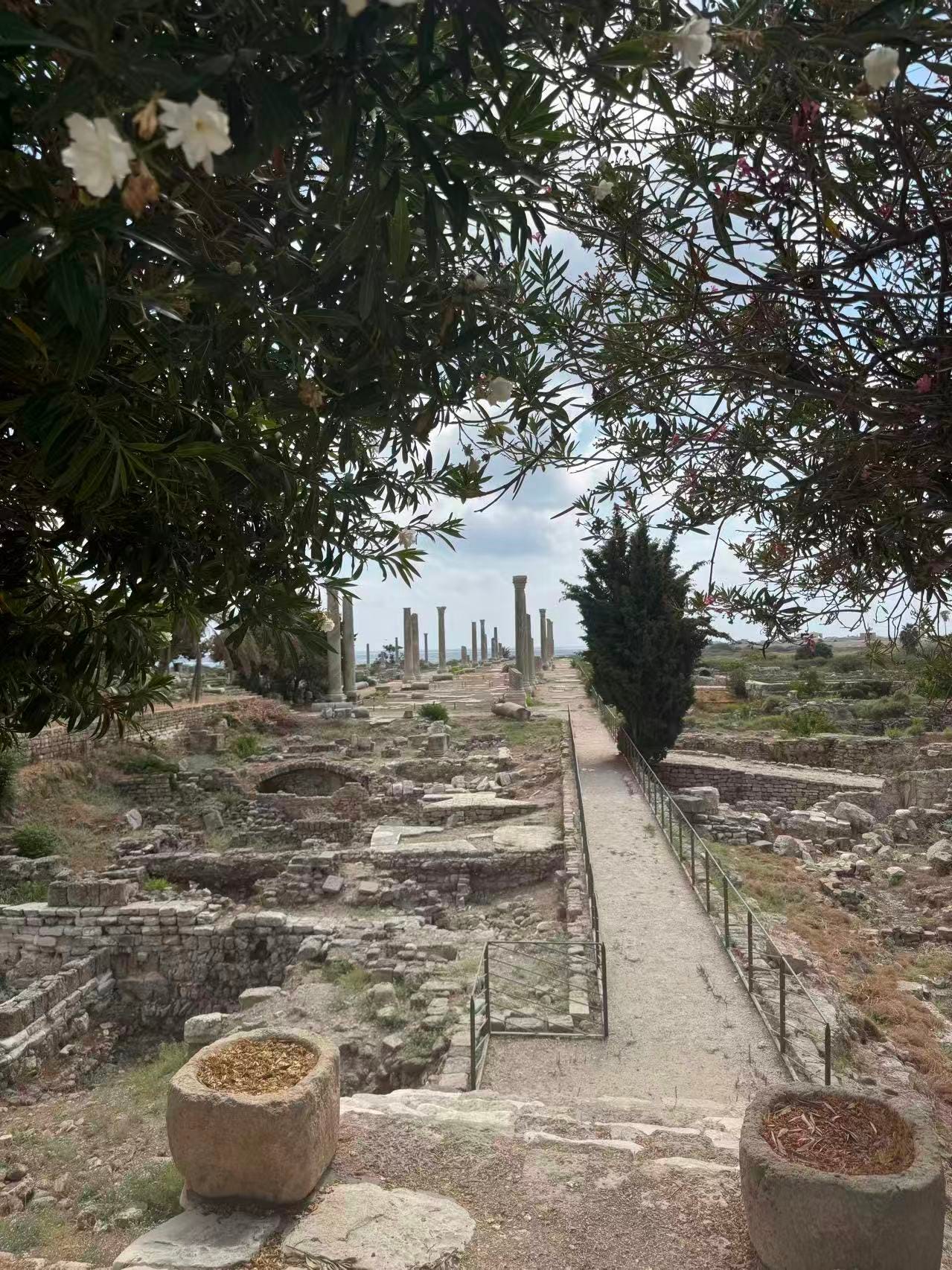
From the very beginning, Lebanon was built upon two competing visions of nationhood. For France and many Christians, Lebanon was meant to be a Mediterranean, European-oriented state and a Phoenician continuation inclining to the West. But many Muslims saw Lebanon as naturally belonging to the broader Arab world, culturally and politically tied to Syria.
A nation can hold together when people share deep historical memory, common mythology, or a unified cultural identity. But for an artificially constructed state, especially one constantly exposed to external intervention, things become far more fragile. There are conquerors and conquered, foreign patrons and local factions, old grievances layered atop newer ones. Peace becomes less a foundation than a temporary negotiation.
Lebanon is a classic colonial-engineered state. Iraq, Jordan, and Kuwait share similar origins, though Lebanon represents perhaps the most extreme version of the model because it is so small. Within its mountains fractured too many faiths, identities, and lifestyles.
In the years to come, the viper that arrived with the colonisers would slowly open its jaws in the dark.
From the National Pact to Collapse: Lebanon’s Sectarian Unravelling
Once the state is formed, its people still attempted to make peace with one another.
In 1943, Lebanon declared independence. Lebanese political elites negotiated the Lebanese National Pact: Christians agreed not to align fully with the West, and Muslims agreed not to seek unification with Syria. Political power was divided according to sectarian identity. For example, the president would always be a Maronite Christian, the prime minister a Sunni Muslim, the speaker of parliament a Shi’a Muslim, the deputy speaker Greek Orthodox, and key military positions distributed among other sects such as the Druze.
At first glance, this appeared to be a successful formula for coexistence.
In reality, it merely froze demographic tensions into the structure of the state itself.
The entire arrangement was based on Lebanon’s 1932 census, when Christians constituted roughly 51 percent of the population. However, after the Second World War, Lebanon’s demographics gradually shifted. Muslim communities, particularly poorer Shi’a populations, grew more rapidly, while many wealthier Christians emigrated abroad. Over time, Muslims became the majority population, with Shi’a eventually emerging as the single largest sectarian group in the country.
Meanwhile, to Lebanon’s south, another colonial-era creation was rising into regional dominance: Israel.
Nevertheless, for a brief period between the 1950s and 1970s, Lebanon experienced what many now remember as its golden age. Beirut became the freest and most cosmopolitan city in the Middle East. It was the regional centre for finance, culture, publishing industry, and media. Lebanese banking laws embraced anonymity, turning Beirut into the “Switzerland of the Middle East,” where Arab elites piled in their fortunes. Across much of the Arab world, military regimes imposed censorship and restrictions, but Beirut enjoyed a relative intellectual freedom. Newspapers flourished. Writers, artists, and political thinkers gathered there. Many influential Arabic publications were printed in Beirut.
At the same time, Lebanon’s nightlife, casinos, and seaside glamour resembled a hybrid of modern Dubai. Europeans and Gulf elites flooded into Beirut for sunshine, pleasure, and hideaway. “Paris of the Middle East” was not merely a slogan. For a moment, it genuinely felt true.
But history rarely allows human beings to enjoy prosperity for too long.
By the 1970s, Israel had consolidated itself into a major regional power. Palestinians displaced by decades of conflict fled into neighbouring Jordan, where the Palestine Liberation Organization (PLO) gradually developed into a quasi-state military force. The rise of the PLO was itself entangled with Cold War politics and broader regional struggles beyond the scope of this article.
Then came Black September in 1970 when Jordan expelled the PLO.
Subsequently, thousands of armed Palestinians relocated into Southern Lebanon and West Beirut, establishing military bases and effectively creating a state within a state.
The viper that clutched the beautiful, fragmented, and weak Lebanon now opened its mouth.
Israel intervened because the PLO now operated from Lebanese territory. Syria saw chaos unfolding next door and felt compelled to join. Lebanon’s already fragile sectarian balance shattered. Militias multiplied. Regional powers began pouring weapons and money into the country. To add chaos, Iran and the United States, which was oceans away, also decided to bank on Lebanon’s misery.
The Lebanese Civil War lasted fifteen years.
Around 120,000 people died. One million fled the country. Beirut itself was split into East Beirut under Christian control and West Beirut under Muslim control. The city was in ruins. The state collapsed.
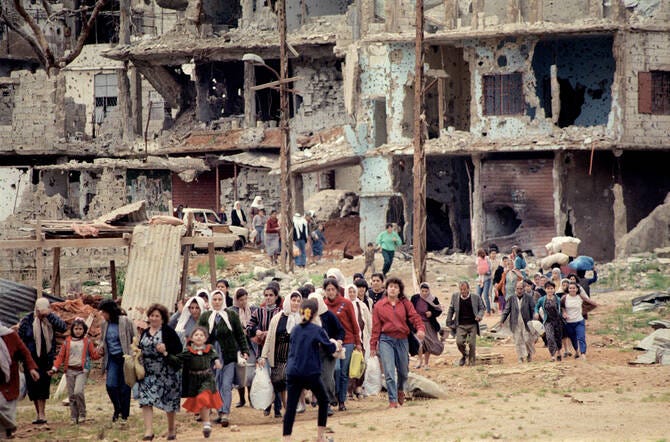
In 1989, the major factions signed the Taif Agreement in Saudi Arabia, formally ending the civil war and redistributing political power. But the agreement did not create a unified Lebanon. If anything, it institutionalised fragmentation even further.
After fifteen years of war, every sect had developed its own political parties, armed groups, patronage networks, and financial systems. Lebanon never produced a Chinese Qin Shi Huang capable of crushing the warlords and rebuilding a centralised state. Instead, the country became an uneasy federation of sectarian oligarchs.
Although, oligarchs grow tired of fighting for a brief period of time.
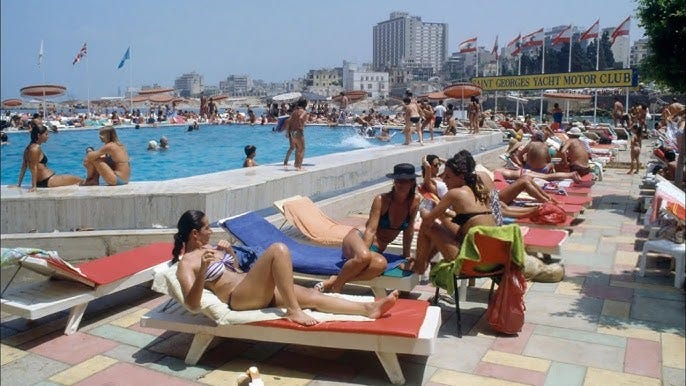
For a period after Taif, Lebanon entered another era of artificial prosperity. The state borrowed money to sustain the illusion of stability. Banks fuelled luxury, speculation, and endless consumption. The entire system resembled a national-scale Ponzi structure waiting to collapse. By 2018, Lebanese government expenditure had reached roughly 83 percent of GDP. By 2019, public debt stood at around 150 percent of GDP. That same year, foreign reserves were exhausted, sovereign credit ratings collapsed, and the financial system imploded.
Banks froze deposits overnight. Ordinary people suddenly found themselves unable to access their own life savings.
A Lebanese colleague of mine had saved her salaries over a lifetime, but her dollars were locked on the day of the collapse and remained trapped inside the banking system to this day. In 2025, banks began discussing partial repayment plans that were more or less just spitting coins to desperate depositors. For many Lebanese families, their savings remain suspended in limbo with no clear end in sight.
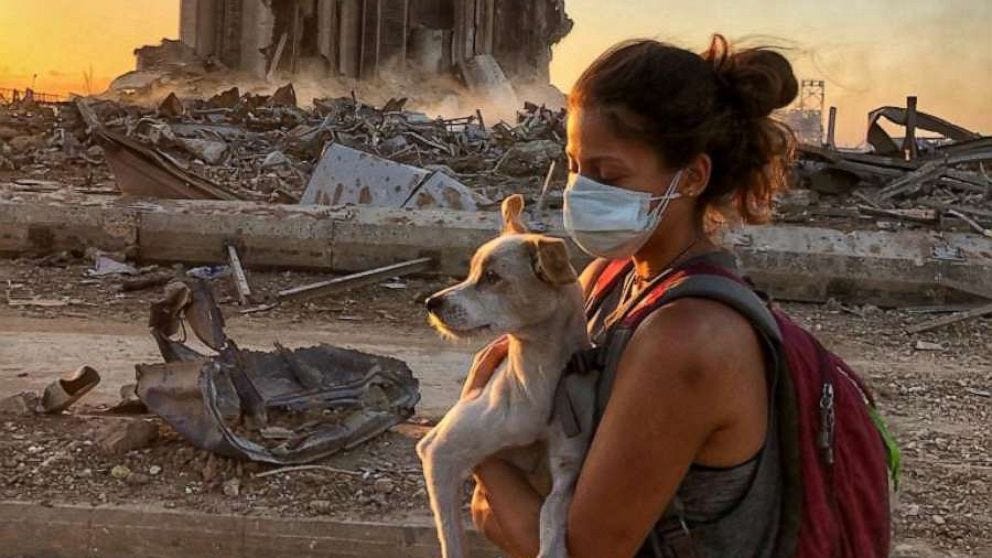
Then came August 4th, 2020. A massive explosion tore through the Port of Beirut, killing more than 220 people, displacing roughly 300,000 residents, and destroying half the city. The blast was caused by 2,700 tonnes of ammonium nitrate that had been abandoned in the port since 2013. For seven years, the material sat there neglected amid corruption, bureaucratic paralysis, and ignored warnings. The risk investigator into the case mysteriously died and two reports of the cause of death were paradoxical against each another.
The explosion was not like an accident, but rather, a final indictment of state breakdown itself.
Governance in Lebanon collapsed.
The country has a government but the government does not serve the government’s job. Garbage collection companies suspended operations because the state failed to pay them, leaving Beirut drowning in mountains of waste. Even today, walking through Beirut means stepping around trash, dog poops, and the visible exhaustion of public life. The Lebanese currency lost most of its value. Around 90 percent of GDP evaporated. Corruption became so embedded into everyday existence that many people no longer reacted to it morally. It was simply part of life.
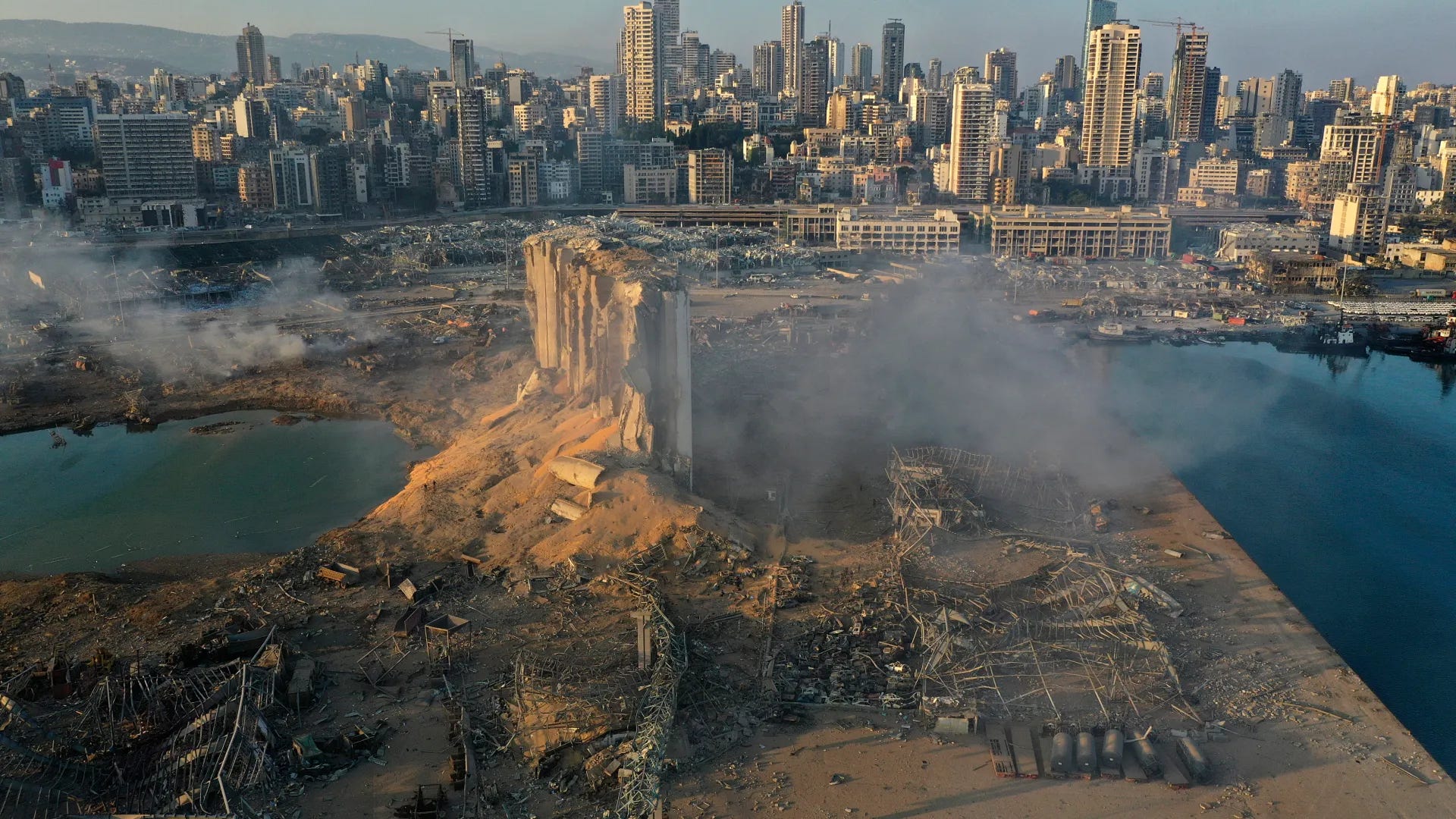
The Beirut explosion was not merely a disaster. It symbolised the failure of a century-long experiment in unstable statehood.
Lebanon was never fully constructed as a sovereign nation in the modern sense. It existed because the great powers, regional actors, sectarian factions, and external patrons declared so.
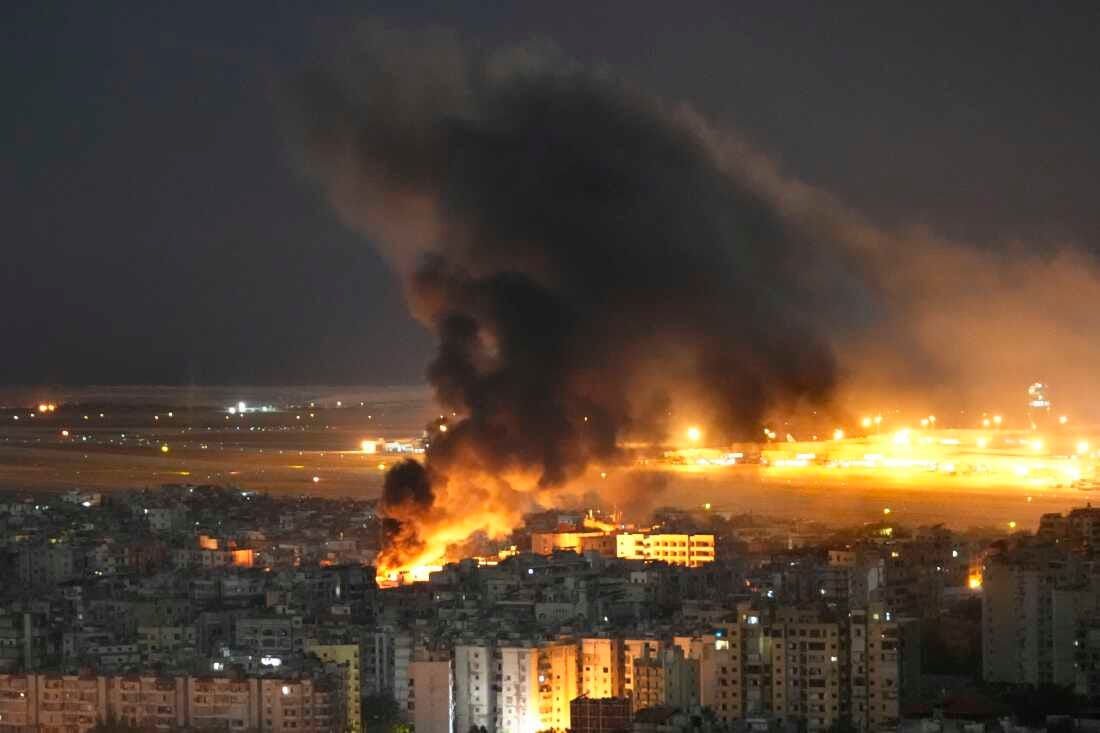
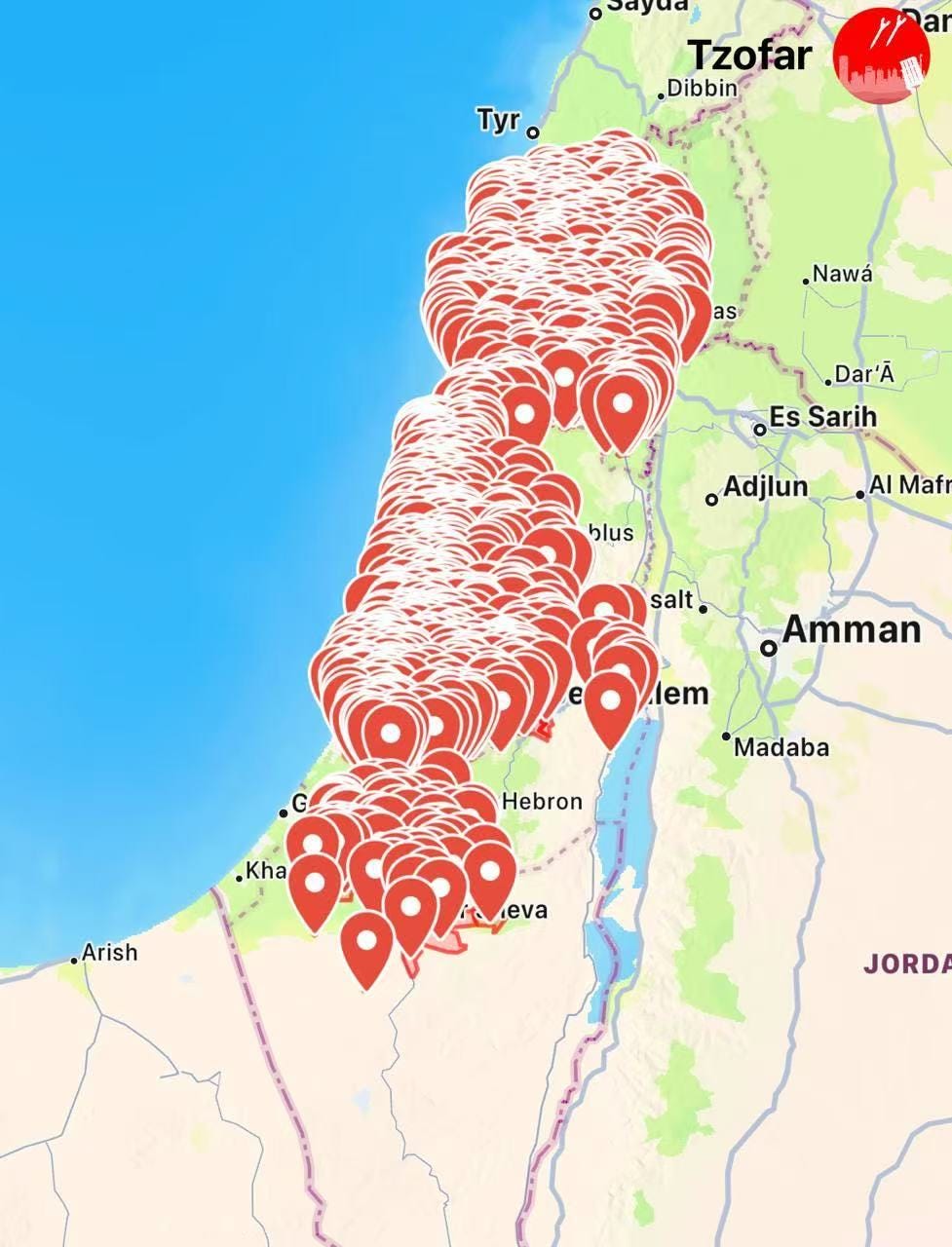
When I lived in Lebanon in 2025, Israel pounded southern Lebanon routinely. Hundreds of strikes in a single day were usual. Even during the ceasefire, attacks continued. Lebanese sovereignty, from Israel’s perspective, seemed almost irrelevant. The Lebanese government begged for restraint while Israel, backed by overwhelming military power and sustained American cash (funded by the tax money that did not go into healthcare), pointed fingers on its head. The response the Lebanese government gave was to disarm Hezbollah, effectively cutting one of its own arms, and continue issuing statements of condemnation and saluting over the unequal negotiation tables in Washington DC.
In the Chinese Song Dynasty (1127-1279 AD), Chinese Han emperors were weak and sought for peace with the northern nomadic Jin dynasty. A brave general Yue Fei led the force to fight the Jin force but was eventually killed by the emperor as a gesture to beg for peace with the Jin.
In the History of Song, it recorded how Yue Fei was set up by his political enemy Qin Hui (a nationally hated traitor to this day): “You plead for peace day and night, yet Yue Fei is still planning to recover Hebei. He must be killed before peace can be made. Qin Hui also knew that as long as Yue Fei lived, the peace negotiations would be obstructed, and he himself would be endangered so he schemed relentlessly to have him killed.”
Yue Fei was executed in 1142 on the infamous charges “perhaps necessary” (莫须有), i.e., his crime might or might not be there. He was secretly killed in prison. He was 39.
Yue Fei’s death brought the Southern Song two decades of temporary survival in humiliation. Afterwards, Jin dynasty conquered Song. Song emperors and their families were taken to the North and royal Song women were turned into “two leg sheep” - raped in the night and slaughtered as food in the day.
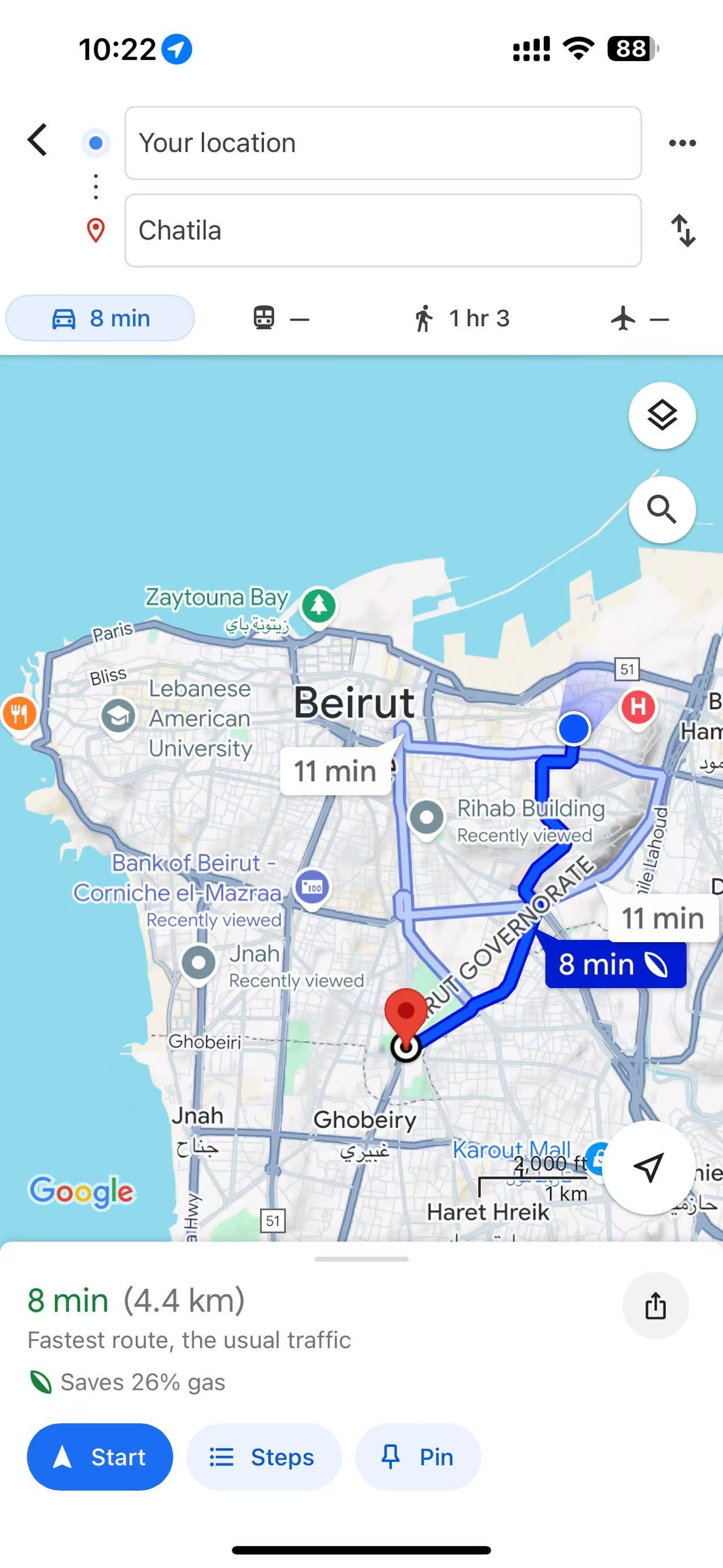
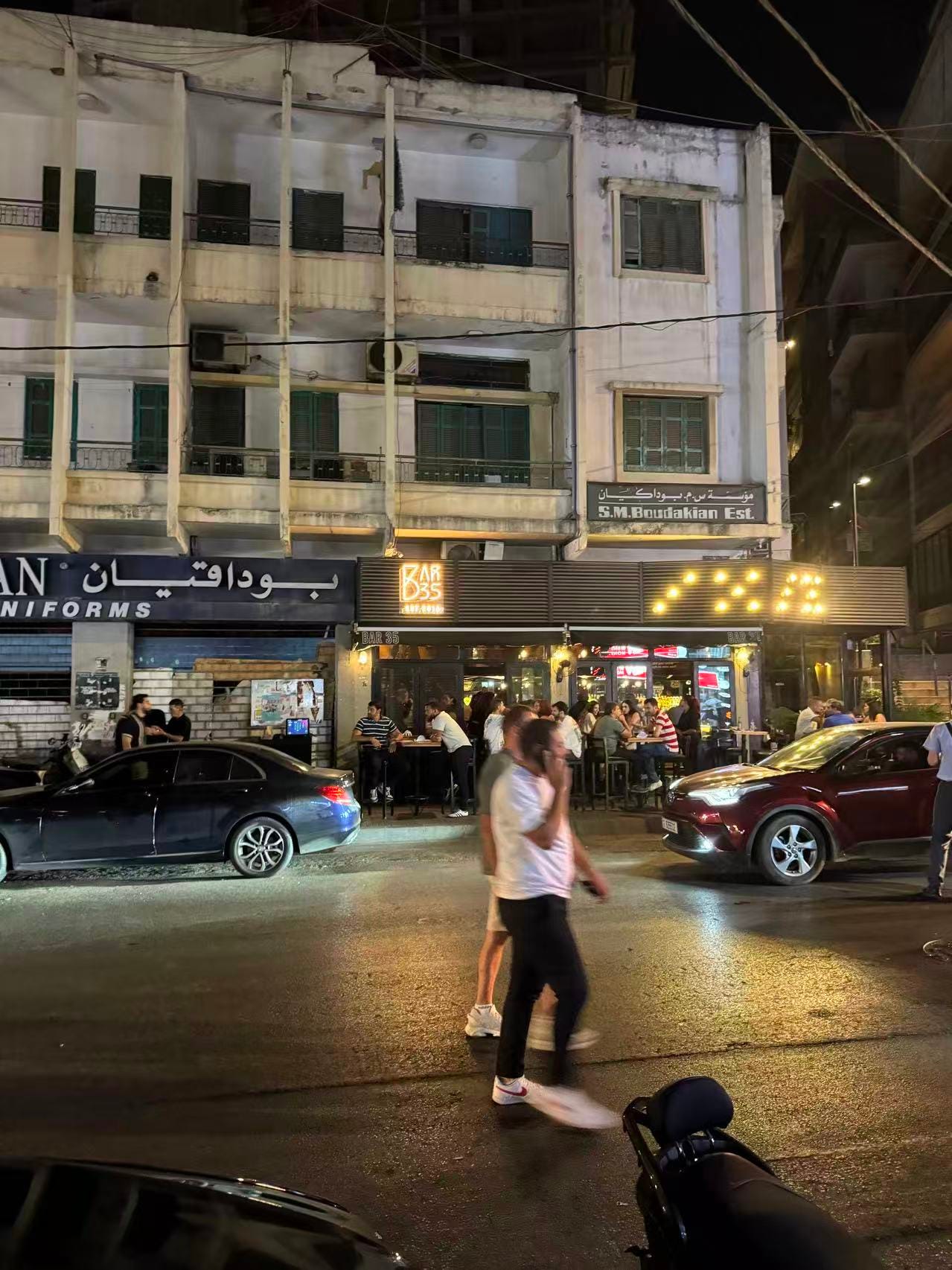
Beirut was once the shiniest pearl of the Middle East. In some ways, its downfall came precisely because it was too open. Financial openness, political diversity, and sectarian pluralism became vulnerabilities inside a structurally weak state. Beirut did not decline slowly like Rome. It was shattered twice. First by war, then by financial collapse. In only forty years, it downgraded from the “Paris of the Middle East” into the capital of a bankrupt state.
Epilogue
A Chinese colleague once told me how he found the local vegetable vendor he frequented looked deeply distressed. After asking why, he learned the man desperately needed medication that was unavailable locally. My colleague opened the Chinese delivery app on his phone and discovered the same medicine could be delivered anywhere in China within fifteen minutes just like buying a bottle of water. He promised to bring some back next time from China.
Despite lack of medicines, Lebanon’s wealthiest elites still possess luxury cars, private jets, and access to the best medical treatment in the world. But for ordinary Lebanese citizens, ordinary things that people in the heart of empires take for granted - electricity, clean water, medicine, dignity, even life, become unaffordable luxuries.
In March 2026, shortly after I left Lebanon, Israeli ground forces entered southern Lebanon and pushed to the Litani River. Airstrikes destroyed homes, hospitals, and civilian infrastructure across the South. Within ten days, 800,000 Lebanese civilians were displaced. In Beirut, residential buildings and hotels were struck as well - Israel has a particular penchant for hospitals, churches and schools. The American friend called me jokingly to ask whether my apartment was still standing. I lived next to a famous hospital, which was half-destroyed during the 2020 Beirut explosion. Doctors were once forced to treat patients on the street while the roof dangling. The hospital was later rebuilt. Every time I passed the memorial plaques commemorating civilians killed in the explosion, I found myself unable to say anything at all.
Before leaving Lebanon, I donated most of my clothes, medicine, and household items.
In China, a box of amoxicillin for humans or pets costs perhaps twenty RMB (3 dollars) on delivery apps. Sometimes I buy too much and leave it forgotten somewhere at home. If I cannot find it, I simply order another box arriving in 15 minutes.
But in wartime Lebanon, that same small box of amoxicillin is a dog’s life, an old man’s extra month of survival, a family spared from running through the night in despair searching for medicine.
For people living far away in peace and prosperity, Lebanon appears only as another headline on the glowing phone screen. For Lebanon itself, this suffering has become ordinary life repeated across generations, forgotten by the world.